

Bunk Beds and Roommates: A Comprehensive Guide to Shared Living Spaces
Time:
2026-09-20
Bunk Beds and Roommates: A Comprehensive Guide to Shared Living Spaces
Table of Contents
- 1. Understanding Bunk Beds: A Space-Saving Solution
- 2. Benefits of Bunk Beds for Roommates
- 3. Different Types of Bunk Beds for Shared Spaces
- 4. Setting Up a Bunk Bed Room: Tips for Optimal Space Usage
- 5. Creating a Harmonious Living Environment with Roommates
- 6. The Importance of Communication Among Roommates
- 7. Ensuring Safety with Bunk Beds: What You Need to Know
- 8. Personalizing Your Bunk Bed Space: Making It Yours
- FAQs
1. Understanding Bunk Beds: A Space-Saving Solution
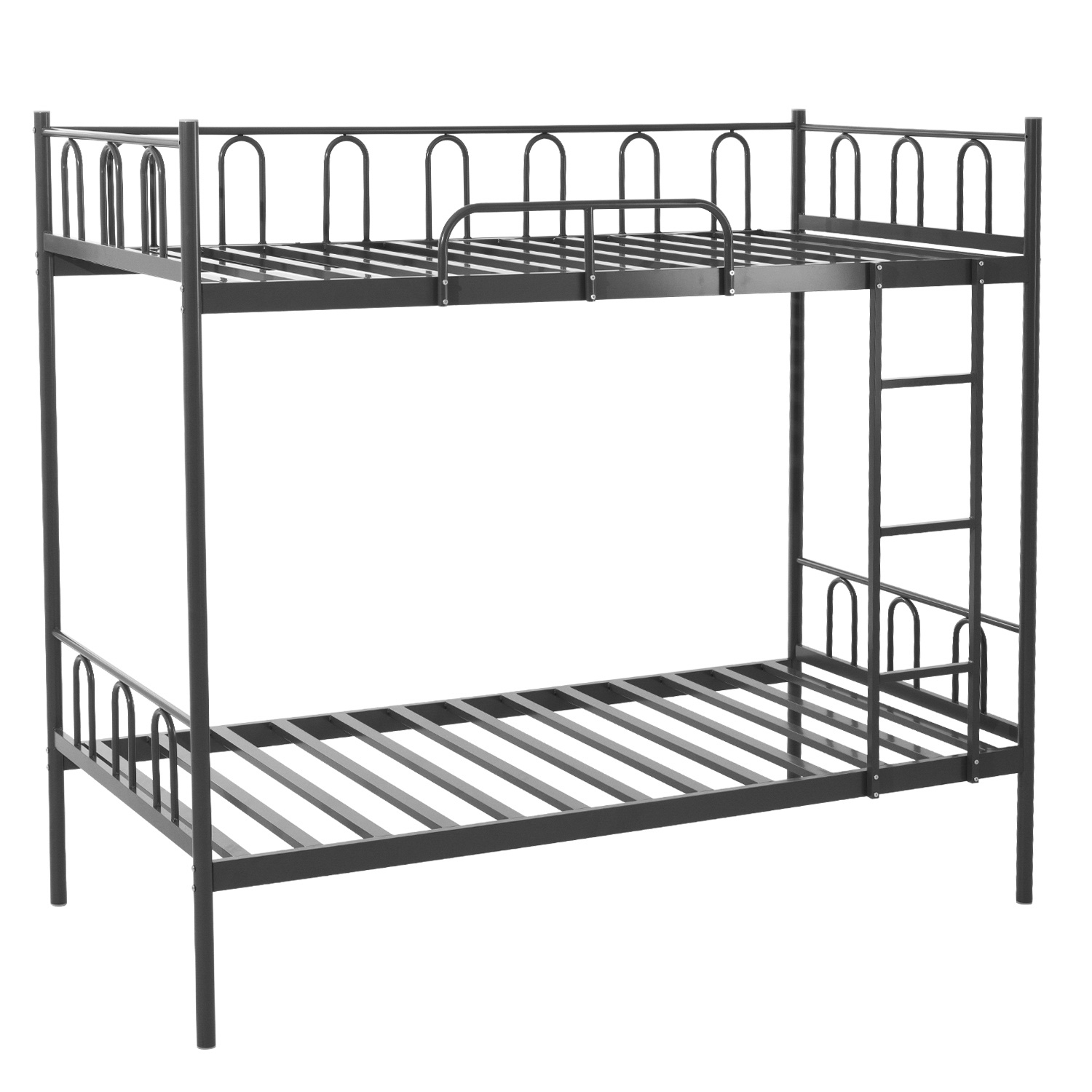
Bunk beds are an innovative furniture option designed to maximize vertical space, making them an ideal choice for shared living environments. By stacking one bed above another, they efficiently utilize floor space, allowing for more room for other essential furniture and personal belongings. This setup is particularly beneficial in small apartments or dormitories where every square foot counts.
With the increasing trend of shared living arrangements among students and young professionals, bunk beds have become a practical solution. They not only save space but also add a unique charm to the living area. Understanding the functionality and aesthetics of bunk beds can greatly enhance the overall living experience for roommates.
2. Benefits of Bunk Beds for Roommates
Multiple advantages come with choosing bunk beds for shared spaces. Here are some key benefits that highlight why they are a smart choice for roommates:
2.1 Space Efficiency
Bunk beds allow for maximum utilization of a limited area. Instead of two separate beds taking up valuable floor space, a single bunk bed setup frees up room for desks, dressers, or communal areas.
2.2 Cost-Effectiveness
When sharing a space, cost is always a consideration. Bunk beds are typically more economical than purchasing two individual beds. This shared furniture can lead to lower overall living expenses.
2.3 Social Interaction
Bunk beds create an intimate environment that fosters social interaction among roommates. They can help build camaraderie and encourage communication, essential aspects of successful shared living.
3. Different Types of Bunk Beds for Shared Spaces
Choosing the right type of bunk bed is crucial for meeting the specific needs of roommates. Here are some popular options to consider:
3.1 Standard Bunk Beds
The classic design features two twin beds stacked one above the other. This option is simple, straightforward, and works well in most spaces.
3.2 L-Shaped Bunk Beds
These beds are designed in an L-shape, providing more floor space underneath. This configuration can accommodate a desk or play area for children, making it versatile for different age groups.
3.3 Loft Beds
Loft beds elevate one bed, leaving the space beneath open for additional furniture. This style is great for maximizing storage or work areas in a shared room.
3.4 Futon Bunk Beds
Combining a bunk bed with a futon allows for a dual-purpose solution. The futon can serve as a couch during the day and convert into a bed at night, perfect for accommodating guests.
4. Setting Up a Bunk Bed Room: Tips for Optimal Space Usage
Arranging a room with bunk beds requires careful planning to create a functional and inviting atmosphere. Here are some essential tips for setting up a bunk bed room effectively:
4.1 Planning the Layout
Before moving furniture, visualize the layout. Ensure that there is enough room to access the top bunk safely and that other furniture does not obstruct pathways.
4.2 Choosing the Right Bedding
Opt for lightweight, comfortable bedding that can easily be changed. Consider coordinating colors to create a cohesive look that reflects both roommates' styles.
4.3 Utilizing Under-Bed Storage
Maximize space by using under-bed storage solutions for personal items. Bins or drawers can help keep the living area organized and clutter-free.
4.4 Creating a Distinctive Zone
Designate personal zones for each roommate within the shared space. This can be achieved through different bedding, decor, or personal items that represent each individual.
5. Creating a Harmonious Living Environment with Roommates
Creating a peaceful and harmonious living environment is crucial for shared living arrangements. Here are strategies to foster a positive atmosphere among roommates:
5.1 Establishing House Rules
Openly discuss and establish house rules that everyone can agree on, covering topics such as cleaning schedules, guests, and shared responsibilities.
5.2 Respecting Personal Space
While living closely with others, it’s essential to respect each other’s privacy. Allow for personal time and space to recharge.
5.3 Encouraging Open Communication
Maintain open lines of communication to address any issues or concerns as they arise. Regular check-ins can help prevent misunderstandings.
6. The Importance of Communication Among Roommates
Effective communication is the cornerstone of a successful roommate relationship. Here’s how to ensure healthy interactions:
6.1 Regular Meetings
Schedule regular meetings to discuss any upcoming events, concerns, or changes in living arrangements. This can help maintain transparency and accountability.
6.2 Conflict Resolution Techniques
When conflicts arise, address them calmly and respectfully. Use "I" statements to express feelings rather than assigning blame, promoting a solution-oriented discussion.
6.3 Utilizing Communication Tools
Consider using apps or shared calendars to keep everyone informed about schedules and commitments, ensuring that everyone is on the same page.
7. Ensuring Safety with Bunk Beds: What You Need to Know
Safety is paramount when it comes to bunk beds. Here are essential safety practices to consider:
7.1 Proper Weight Limits
Always adhere to the manufacturer’s recommended weight limits for both the top and bottom bunks to prevent accidents.
7.2 Secure Guardrails
Ensure that the top bunk has sturdy guardrails installed to prevent falls during sleep.
7.3 Safe Ladder Access
Make sure the ladder is secure and easy to climb. Avoid using makeshift solutions to access the top bunk.
8. Personalizing Your Bunk Bed Space: Making It Yours
Personalizing your space can make shared living feel more comfortable and reflective of your personality. Here are some ideas:
8.1 Themed Decor
Choose a theme for your side of the room that resonates with your interests, whether it’s minimalist, bohemian, or something unique.
8.2 Wall Art and Photos
Display wall art or photos that inspire you. This makes the space feel more like home and allows for individual expression.
8.3 Plants and Lighting
Incorporate plants and soft lighting to create a cozy atmosphere. These elements can enhance the overall ambiance of the shared space.
FAQs
1. What are the advantages of using bunk beds in shared living spaces?
Bunk beds maximize space, reduce costs, and promote social interaction among roommates, making them an ideal choice for shared living environments.
2. How can I optimize a small room with bunk beds?
Utilize under-bed storage, choose lightweight bedding, and plan the layout effectively to create an organized and functional living space.
3. What safety measures should I consider for bunk beds?
Ensure proper weight limits, secure guardrails, and safe ladder access to prevent accidents involving bunk beds.
4. How can I maintain good communication with my roommates?
Establish regular meetings, use conflict resolution techniques, and utilize communication tools to foster an open dialogue.
5. How do I personalize my bunk bed space?
Incorporate themed decor, wall art, and plants to make your side of the shared room feel more like home.
Conclusion
Navigating shared living spaces with bunk beds can be both rewarding and challenging. By understanding the benefits, selecting the right type of bunk bed, and fostering open communication among roommates, you can create a harmonious and efficient living environment. Remember to prioritize safety and personalization to enhance your shared space experience. With careful planning and consideration, bunk beds can transform a simple room into a cozy sanctuary for you and your roommates.
LATEST INFORMATION


-
Phone:+86 -13794251180
- Email: sales8@fuqiao.com
JIANGMEN FUQIAO TRAVEL PRODUCTS FACTORY CO., LTD Add: No.162 Qingnian Road Lubian Industrial District, Chaolian, Jiangmen, Guangdong, China
Connnect with us!


MESSAGES
If you have any questions, please feel free to contact us,We will contact you as soon as possible.