

Folding Beds vs. Traditional Beds: Which is Right for You?
Time:
2026-08-09
Folding Beds vs. Traditional Beds: Which is Right for You?
Table of Contents
- Introduction to Folding Beds and Traditional Beds
- Understanding Folding Beds: Features and Benefits
- Exploring Traditional Beds: Features and Benefits
- Comfort and Support: A Comparison
- Space Considerations: Folding vs. Traditional
- Aesthetic Appeal: Style and Design
- Cost-Effectiveness: An Economic Analysis
- Maintenance Requirements: What to Expect
- Final Thoughts: Making the Right Choice for Your Needs
- FAQs
Introduction to Folding Beds and Traditional Beds
When it comes to selecting the perfect bed, the options can seem overwhelming. Among the most popular choices are **folding beds** and **traditional beds**. Each type has its unique attributes, advantages, and disadvantages that appeal to different preferences and lifestyles. Understanding these differences is crucial to making an informed decision that aligns with your specific needs. This article will delve deep into both options, providing a comparative analysis to help you determine which bed is right for you.
Understanding Folding Beds: Features and Benefits
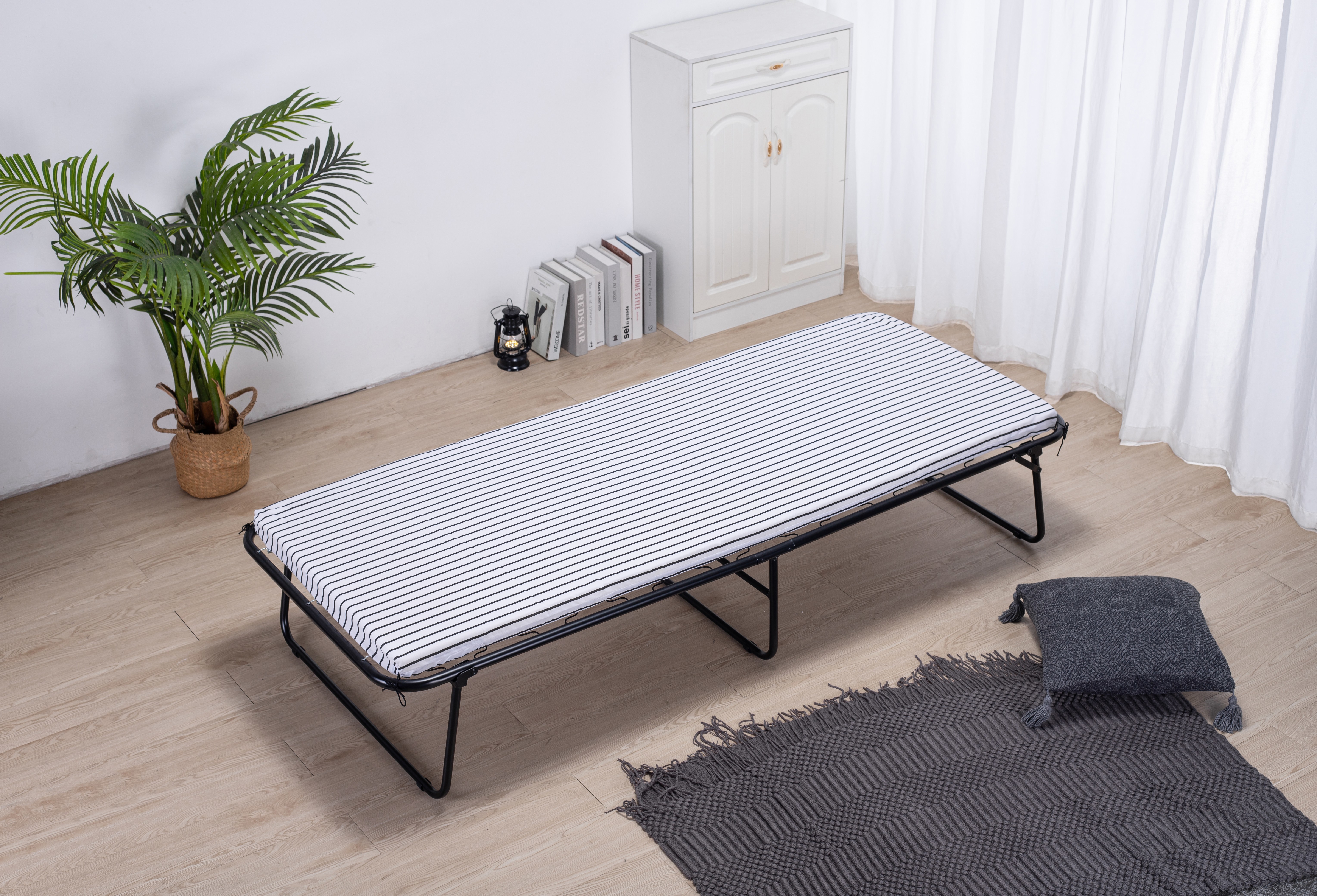
**Folding beds**, often called **foldable or portable beds**, offer a versatile sleeping solution. They are designed to be easily set up and taken down, making them ideal for various situations, from guest rooms to small apartments.
Key Features of Folding Beds
- **Portability**: Folding beds can be transported easily, making them perfect for camping, travel, or temporary living situations.
- **Space-saving design**: These beds can be stored away when not in use, freeing up valuable floor space.
- **Ease of setup**: Many folding beds come ready to use out of the box or can be set up in minutes, offering convenience.
Benefits of Folding Beds
- **Versatility**: Ideal for guests or when you require additional sleeping space without committing to a permanent solution.
- **Affordability**: Generally more budget-friendly than traditional beds, making them an attractive option for those on a tight budget.
- **Variety of styles**: Available in various designs, materials, and sizes to fit different preferences and spaces.
Exploring Traditional Beds: Features and Benefits
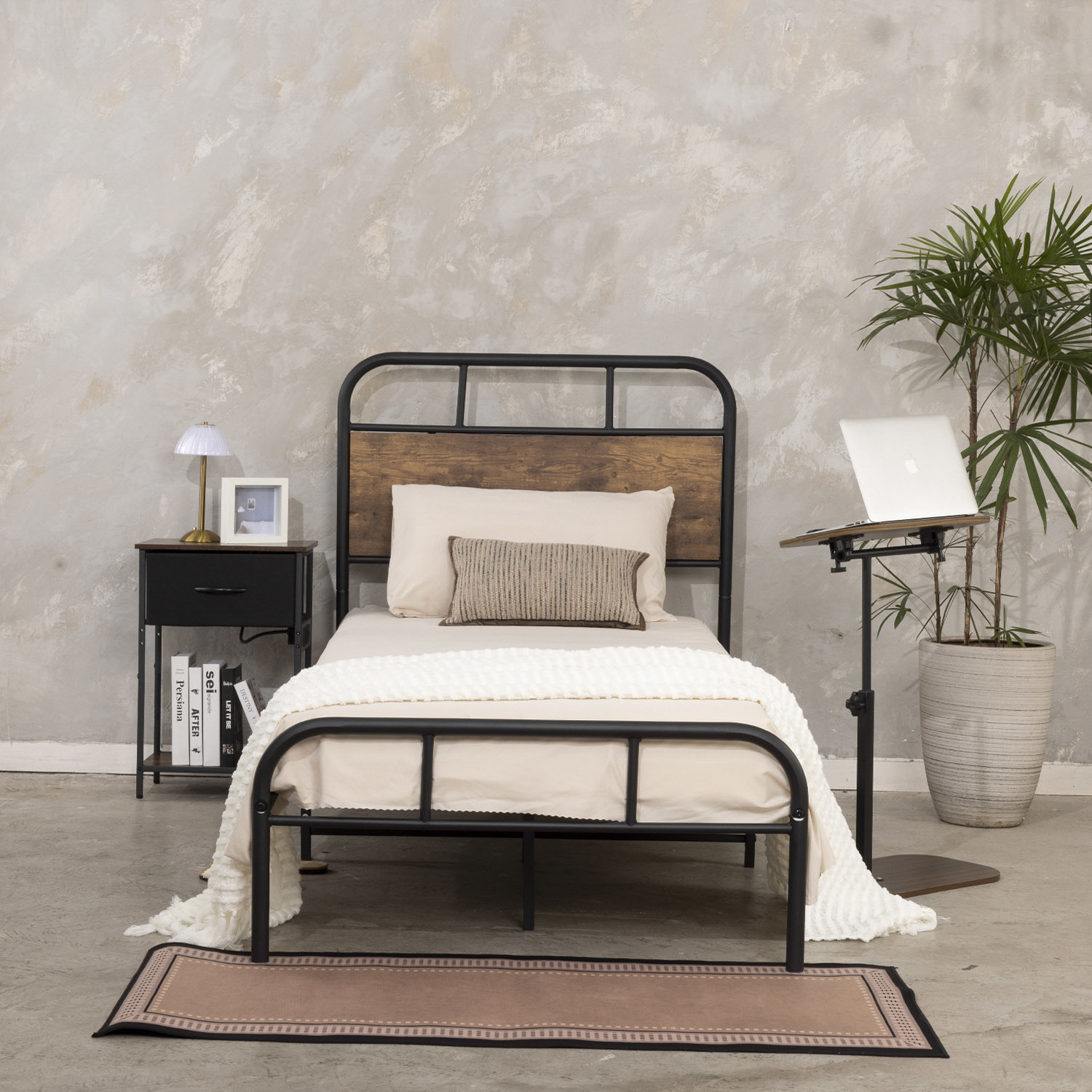
**Traditional beds**, including frames like platform beds, box springs, and canopy beds, represent the classic approach to bedroom furniture. These beds are built with durability and long-term use in mind.
Key Features of Traditional Beds
- **Sturdiness**: Constructed with solid materials, traditional beds are designed for longevity.
- **Variety in sizes and styles**: Available in numerous designs, from minimalist to ornate, and in sizes from twin to king.
- **Support systems**: Many traditional beds utilize box springs or slatted bases, enhancing comfort.
Benefits of Traditional Beds
- **Enhanced comfort**: With a wide range of mattress types available, traditional beds can be tailored to individual comfort preferences.
- **Aesthetic appeal**: They offer a timeless look that can elevate the overall design of a bedroom.
- **Increased durability**: Built to endure, traditional beds often last for years with proper care.
Comfort and Support: A Comparison
When it comes to sleep quality, comfort and support are critical factors.
Folding Beds: Comfort Considerations
While many folding beds are designed to be comfortable, they may not always provide the same level of support as traditional beds. The quality of the mattress plays a significant role in overall comfort. Many folding beds use thin mattresses, which may not offer the necessary support for a good night’s sleep.
Traditional Beds: Superior Comfort
Traditional beds typically provide a wider range of mattress options, from memory foam to innerspring, allowing for a customized sleep experience. The support provided by well-constructed frames and bases contributes to better spinal alignment and overall comfort.
Space Considerations: Folding vs. Traditional
Space is a significant factor for many individuals and families when choosing a bed.
Folding Beds: A Space-Saving Solution
Folding beds shine in small spaces, as they can be easily tucked away when not in use. This feature makes them perfect for studio apartments, guest rooms, or temporary living situations.
Traditional Beds: Space Requirements
Traditional beds often require more space due to their fixed nature. However, they can be designed to fit into various bedroom layouts, ensuring a comfortable fit in larger rooms.
Aesthetic Appeal: Style and Design
The aesthetics of a bed can significantly impact the overall look and feel of a bedroom.
Folding Beds: Functional but Simple
While folding beds are primarily functional, their minimalist designs may not always enhance the decor of a room. However, modern designs do exist that blend functionality with style.
Traditional Beds: Timeless Elegance
Traditional beds often come in various styles, from rustic to contemporary. They can serve as a focal point in a bedroom, with intricate designs and high-quality materials contributing to a sophisticated ambiance.
Cost-Effectiveness: An Economic Analysis
Budget considerations are often at the forefront when selecting a bed.
Folding Beds: Budget-Friendly Options
Folding beds are generally more affordable, with prices that can fit a wide range of budgets. They provide great value, especially for those who need temporary or occasional sleeping arrangements.
Traditional Beds: A Long-Term Investment
While traditional beds may come with a higher upfront cost, they are often seen as a long-term investment. The durability and comfort provided can save money in the long run by reducing the need for frequent replacements.
Maintenance Requirements: What to Expect
Maintaining your bed is essential for longevity and hygiene.
Folding Beds: Easy Maintenance
Folding beds typically require minimal maintenance. Cleaning the mattress and frame is straightforward and can often be done with regular household cleaners.
Traditional Beds: Regular Care Needed
Traditional beds may require more attention, including rotating the mattress and checking for wear and tear on the frame. However, this maintenance can enhance the lifespan and comfort of the bed.
Final Thoughts: Making the Right Choice for Your Needs
Choosing between folding beds and traditional beds ultimately comes down to your specific needs, living situation, and personal preferences. Folding beds offer excellent versatility and affordability, making them perfect for limited spaces or temporary solutions. In contrast, traditional beds provide superior comfort and aesthetic appeal, ideal for those seeking a long-term investment in quality sleep.
Consider your lifestyle, space, and budget to determine which bed will best serve your needs.
FAQs
1. Are folding beds comfortable for long-term use?
While folding beds can provide comfort for short stays, they may not be ideal for long-term use due to thinner mattresses. Consider a higher quality mattress for better support.
2. How do I maintain my traditional bed?
To maintain a traditional bed, regularly rotate the mattress, check for structural integrity, and clean the frame to prevent dust accumulation.
3. Can I use a regular mattress on a folding bed?
Yes, but be sure to check the dimensions and compatibility to ensure the mattress fits well and provides adequate support.
4. What are the best uses for folding beds?
Folding beds are great for temporary sleeping arrangements, such as for guests, in small apartments, or during travel.
5. Do traditional beds offer better durability over time?
Yes, traditional beds, when made from quality materials, tend to last longer than folding beds, making them a better long-term investment.
In conclusion, both folding and traditional beds have unique advantages and disadvantages. By considering your individual needs, lifestyle, and preferences, you can make an informed decision that ensures a restful night’s sleep for years to come.
LATEST INFORMATION


-
Phone:+86 -13794251180
- Email: sales8@fuqiao.com
JIANGMEN FUQIAO TRAVEL PRODUCTS FACTORY CO., LTD Add: No.162 Qingnian Road Lubian Industrial District, Chaolian, Jiangmen, Guangdong, China
Connnect with us!


MESSAGES
If you have any questions, please feel free to contact us,We will contact you as soon as possible.